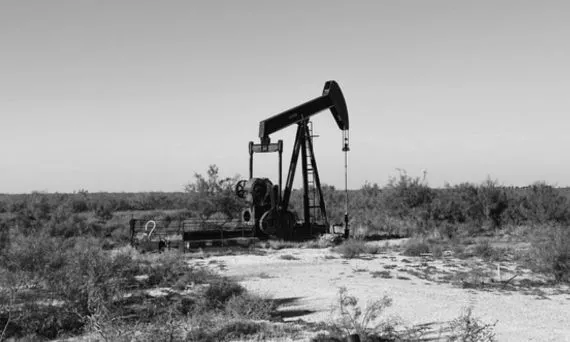
A home water well looks simple from the outside. A rig arrives, a hole gets drilled, a pump gets dropped in, and the property finally has its own water. In practice, the project can turn into a chain of surprises: bad ground, permit delays, weak water flow, wrong pump sizing, and a bill that keeps climbing after the drilling crew leaves.
That is why private wells reward patience and punish guesswork. The biggest mistake homeowners make is treating water access like a standard home upgrade. It is not. It is part engineering job, part geology problem, and part long-term maintenance decision. If you want a system that actually holds up, the details matter from the first site visit to the last pressure test.
The part nobody budgets for
The first shock usually comes from the ground itself. One property can drill cleanly for a while, then hit hard basalt or fractured rock that slows everything down. Another lot can look easy on paper and still produce a weak aquifer that never gives enough water for a busy household. On rural land in Oregon and California, that unpredictability is the rule, not the exception.
Permits can be just as annoying. County rules, state water requirements, and local spacing limits do not care that the homeowner wants the job done quickly. A project that seemed straightforward can sit while paperwork moves through the system. If the well is for a house, a small farm, or a mixed-use property, the plan also has to match actual demand, not just the idea of demand.
Then comes water quality. A well can produce water and still fail the real test if it carries sediment, iron, manganese, or hardness that makes the supply unpleasant or expensive to use. A lot of homeowners assume “we hit water” means the hard part is over. That is usually when the next round of costs begins.
Why the pump is where projects go wrong
Pump work gets treated like a footnote, which is a mistake. The pump is what turns a hole in the ground into a usable system. Get the sizing wrong and the house gets weak pressure, short cycling, higher power use, or premature failure. Get the installation sloppy and the downtime shows up the first time the weather turns hot and everyone wants a shower.
That is the point where well pump installation and repair stops being an afterthought and becomes the thing that determines whether the well feels dependable or fragile. A proper setup has to account for depth, water demand, pressure needs, casing size, and the wiring and plumbing that support the whole system.
Benefits of professional water well drilling
- Better site assessment before drilling starts.
- More accurate depth planning based on local ground conditions.
- Proper casing and development for cleaner, longer-lasting output.
- Lower risk of hitting a weak or unusable water zone.
- A smoother path through permits and local compliance.
Benefits of professional pump installation
- Correct pump sizing for the home’s real water demand.
- Fewer pressure swings and fewer annoying performance problems.
- Cleaner electrical and plumbing connections.
- Less downtime when repairs are needed.
- Longer equipment life because the system is set up correctly from the start.
Why local experience matters
A company with deep regional experience can save homeowners from expensive trial and error. Enloe Drilling and Pumps, Inc. has been drilling since 1913 and spans four generations, which matters in a business where local ground conditions and local rules shape every job. Clarence Enloe started the family line with a steam-powered cable rig, and the next generations kept drilling across the region, including work around Mt. Shasta that included a municipal artesian well producing over 1,000 gallons per minute.
That history is not decoration. It explains why a company doing water well drilling in Oregon and California needs to understand more than just equipment. It needs to understand rock, water tables, access, casing, pump behavior, and how residential, agricultural, and commercial systems differ.
What homeowners should ask before they commit
If you are comparing well contractors, ask direct questions.
Water well drilling FAQs
- How much does it cost to drill a water well?
- How deep does a water well need to be?
- How long does it take to drill a water well?
- What kind of ground conditions could raise the price?
- Will the crew handle testing after drilling?
The honest answer on cost is that it changes with depth, soil, rock, location, and equipment. In the U.S., many wells start in the few-thousand-dollar range and climb fast when the site is deep, complex, or remote. That is why site-specific quotes matter more than generic price estimates.
Pump installation FAQs
- How do I know which pump size I need?
- What causes weak pressure after a new installation?
- Can an old pump be repaired, or does it need replacement?
- How often should a pump system be inspected?
- What should I do if the pump quits during peak summer use?
The testimonials on Enloe’s site point to the same issue from different angles: speed, trust, and follow-through. One homeowner described an unexpected pump failure in summer and needed fast repair. Another praised the company’s service and reliability. That is exactly the kind of response that separates a functioning well contractor from a crew that leaves you with a half-finished problem.
A private well can be a smart long-term move, but only if the drilling and pump work are handled like serious infrastructure. Skip the shortcuts, and the system can become a drain on time and money. Build it right, and it becomes the kind of utility you stop thinking about, which is the best outcome of all.